News
Industry news and background information.

Cleanroom Packaging Film for Pharma: How We Keep PE Film Production Clean
Designing and maintaining cleanrooms is vital in industries such as pharmaceuticals and medical device packaging, where contamination control is fundamental to product quality and safety.
read more
GMP Pharmaceutical Packaging: The Key to Reliable PE Film Production
GMP (Good Manufacturing Practice) is the regulatory framework that fundamentally shapes the quality and reliability of polyethylene film production. It ensures every step in making our films is properly controlled and documented – safeguarding the safety and effectiveness of our end products.
read more


Shrink Wrapping: 8 Tips for Efficient, Professional Results
Shrink wrapping is one of the most versatile packaging techniques: the film is easy to work with and the process is quick to learn. With the right wrapping machine, the operator can seal and shrink the film in no time.
read more


Pallet Wrapping: What You Need to Know About Pallet Stretch Film
If your business trades in physical goods, you almost certainly use pallet wrap for storage and transport. From small businesses to large distribution centres, pallet stretch film is everywhere – and for good reason.
read more


Plastic Food Packaging: Benefits, Suitable Plastics and BRC
The types of plastic used differ from industry to industry, depending on each sector's needs and requirements. To keep the environmental impact of plastic as low as possible, these specific requirements must be strictly met.
read more

Zip Lock Bags for Product Packaging: Key Benefits and Applications
Zip lock bags protect the product throughout the supply chain, and they also play an important marketing role.
read more
Plastic Recycling Codes Every Business Owner Should Know
Plastic recycling codes – the familiar chasing arrows with a number – identify the type of plastic used in a product. Not every plastic can be reused or recycled, which is why standardised codes are used.
read more


Shrink Wrap Film: PVC vs Polyolefin vs Polyethylene – What’s the Difference?
PVC, polyethylene (PE) and polyolefin (POF) are the three main types of shrink wrap film used to protect and secure products in retail and logistics. Each has different properties that make it suitable for a range of industrial applications.
read more

Sack Material Selection: Reusable and Plastic Options Compared
Many companies today advertise not so much their products as how environmentally friendly those products or their packaging are – no wonder, with climate change and pollution constantly in the news. This article looks at sack material selection in terms of sustainability and usability.
read more
Hand Stretch Film: How to Choose the Right One
If your business makes or ships palletised goods, you almost certainly use stretch film. Two questions come up most often: how does hand stretch film differ from machine stretch film, and which film should you choose for your packaging? This article answers both.
read more
Agricultural Film Price: What Determines the Cost?
Agricultural film, also known as agri film, can perform several functions and is sold in many designs and pack formats. This article looks at the main film types and, through them, at what determines agricultural film price and what to consider when choosing.
read more

UV-Resistant Film: How It Protects Goods in Outdoor Storage
If you store palletised goods outdoors, or your products are sensitive to sunlight and UV radiation, UV-resistant film can be a good solution. It is worth using even for goods kept indoors, as it also protects and holds together palletised loads during loading and transport.
read more


Custom Polyethylene Film Manufacturing: What to Consider Before You Order
The plastics industry has already come a long way, and even bigger innovation is expected in custom manufacturing. Sustainability goals call for a global cut in single-use plastics – worth factoring in, along with many other points, if you are planning custom polyethylene film manufacturing.
read more


Plastic Bag Manufacturing: How Plastic Sacks Are Made
How are plastic sacks made? There is no simple answer: the process depends on the type of product and, above all, on whether the sack is made from virgin or recycled material. Most of our sacks are made from HDPE, while demand for compostable raw materials keeps growing.
read more


Mulch Film and Other Ground Cover Options: Types and Uses
A beautiful garden takes a lot of work, and weeding and watering are among the most frequent tasks. Bare soil turns to mud in the rain, dries out without it, and weeds settle even in the poorest soil. A good ground cover – from organic mulch to mulch film – solves these problems.
read more
Stretch Film: Everything You Need to Know
Stretch film is a highly stretchable plastic film (usually linear low-density polyethylene, LLDPE), most commonly used to secure loads on pallets. It also protects the load from moisture, shifting and toppling, and is made in several versions using different processes.
read more

Industrial Shrink Film Applications: Six Typical Uses and How to Choose
Shrink film is often confused with other films. Strictly speaking, it is a heat-shrinkable film used mainly for packaging and for protection against water. Today it is part of everyday life in industry and among consumers alike – in this article, we present its many applications.
read more


Pallet Film Types: Which Pallet Film Is Right for You?
The right pallet film protects the goods on the pallet from damage, is elastic and stretchable, and does not tear easily. Beyond these obvious properties, other factors also shape your choice – for example, whether the film is applied by hand or by machine.
read more


Calculations for bag sizes
If you do not know what bag sizes you need to line your litter bins of various shapes, this is how to go about it. Calculating the necessary bag size is totally different for both circular and rectangular bins as a smaller sized bag shall suffice in the first case because the bag itself is of circular shape.
read more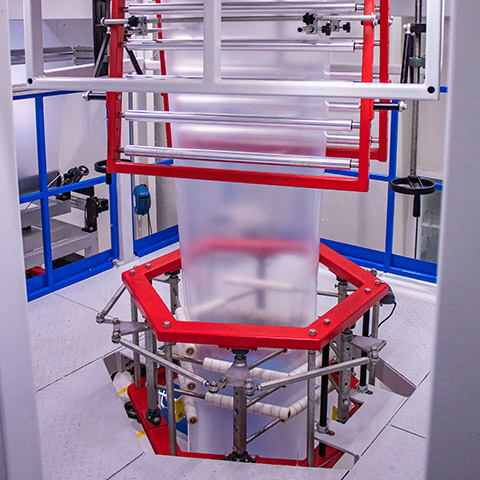
What Is a Cleanroom? ISO 14644-1 Classes and Packaging
A cleanroom is a controlled environment where airborne particles, temperature, and humidity are strictly regulated. Cleanrooms are classified according to ISO 14644-1, which defines the maximum allowable number of particles per cubic meter of air. The lower the ISO class number, the cleaner the room.
read more
What Is ESD Protection? Electrostatic Discharge in Packaging
ESD (Electrostatic Discharge) is the sudden flow of electricity between two objects with different electrical charges. In electronics manufacturing, an ESD event of just 100 volts can destroy a MOSFET — yet a person walking on carpet can build up 25,000 volts. ESD-protective packaging prevents accumulated static charges from reaching sensitive components.
read more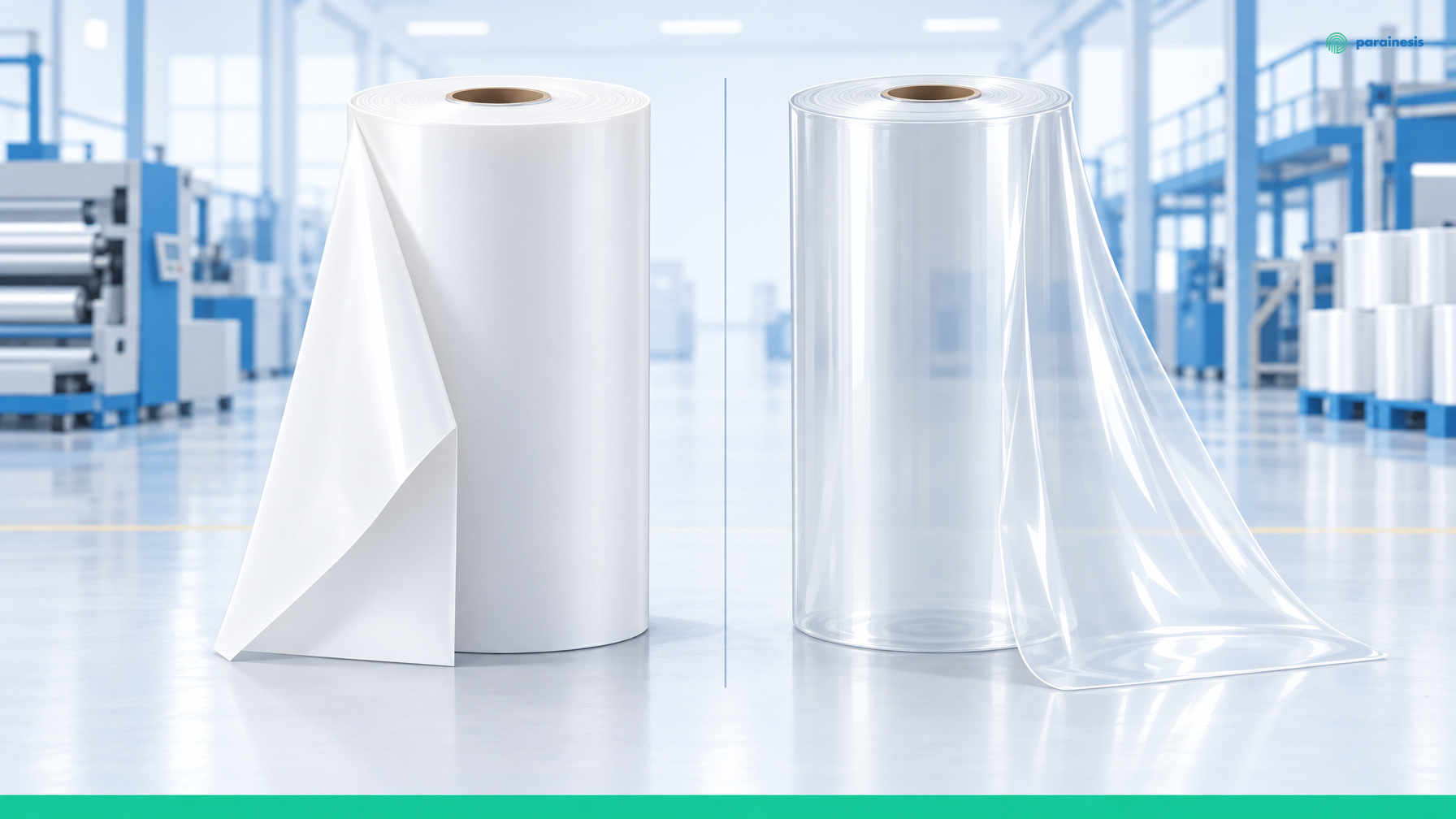
HDPE vs LDPE — Which PE Film Is Right for Your Application?
HDPE and LDPE are both polyethylene — but their molecular structure gives them very different properties. LDPE is flexible, transparent, and soft; HDPE is stiff, strong, and rustling. Choosing the right type depends on your application: do you need flexibility or stiffness? Clarity or strength? Thick soft film or thin rigid film?
read more